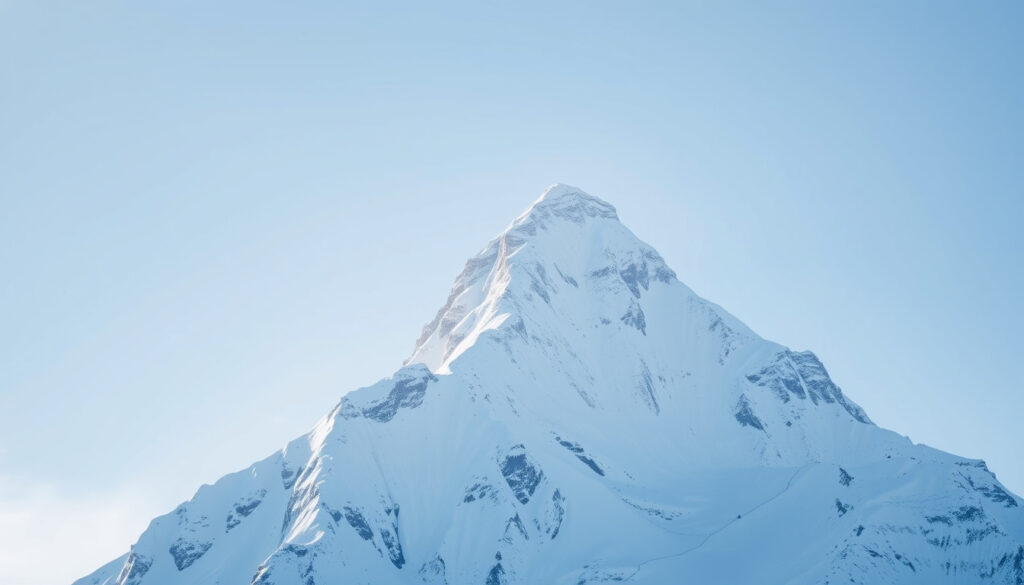
Mt Everest Peak: Height, Deaths, 2pm Rule & Cold Facts
Mount Everest is the highest mountain on Earth, but it’s also one of the deadliest. Over 300 climbers have died on its slopes since 1922, and the mountain’s notorious 2 p.m. turnaround rule exists to keep that number from climbing higher.
Height (official 2020): 8,848.86 m (29,031 ft 8.5 in) ·
Location: Mahalangur Himal, Nepal / Tibet border ·
First ascent: 29 May 1953 by Edmund Hillary and Tenzing Norgay ·
Total summiters (est.): Over 6,000 as of 2023 ·
Record cold temperature: −60 °C (−76 °F) in January
Quick snapshot
- 2020 height measurement: 8,848.86 m (Nepal Gateway Trekking)
- First summit in 1953 by Hillary and Norgay (Everest historian Alan Arnette)
- Over 300 deaths since 1922 (Alan Arnette)
- Exact number of bodies remaining on the mountain (estimated 200+) (Breeze Adventure)
- Whether Mallory and Irvine summited before dying in 1924 (Alan Arnette)
- 2020: Nepal and China announce new official height of 8,848.86 m (Alan Arnette)
- Improved safety measures and fines for ignoring the 2 p.m. rule (Nepal Gateway Trekking)
Five critical numbers define the mountain’s reality, from its official height to the record cold.
| Label | Value |
|---|---|
| Official Height (meters) | 8,848.86 |
| Official Height (feet) | 29,031 ft 8.5 in |
| First Ascent Year | 1953 |
| Total Deaths (approx.) | 300+ |
| Record Low Temperature | −60°C (−76°F) |
How many climbers have died in Everest?
Total known fatalities as of 2025
As of 2025, the mountain has claimed 339 lives, according to Everest historian Alan Arnette. That figure includes 207 members and 132 hired workers, primarily Sherpas. A study reported by MedicalXpress (science news outlet) found that overall mortality above base camp has declined from 1.4% (1921-2006) to 0.7% (2007-2024), with 192 deaths in the earlier period and 117 in the later.
Common causes of death on Everest
Most deaths occur in the “death zone” above 8,000 m, where oxygen deprivation, avalanches, and falls are the leading causes. The 2023 season saw 18 deaths, the highest since 2015, according to EBC Trek Guide. The 1996 season remains the deadliest single year, with 12 deaths documented by Alan Arnette.
The declining death rate suggests better gear and forecasting, but overcrowding in peak seasons is pushing the risk back up. For every 100 climbers who summit, one dies—a ratio that hasn’t changed much.
What is the 2pm rule in Everest?
Why the 2pm turnaround is critical
The 2 p.m. rule is a self-imposed deadline: climbers who have not reached the summit by 2 p.m. local time must turn back, regardless of progress. Namaste Nepal Trekking explains that afternoon weather on Everest typically worsens—winds increase, temperatures drop, and visibility deteriorates. Nepal Gateway Trekking adds that the rule is designed to prevent oxygen depletion, storms, and descent in darkness.
What happens if climbers ignore the rule
Ignoring the 2 p.m. deadline dramatically increases the risk of death. Many fatalities occur on the descent, not the ascent, as exhaustion and darkness set in. Places Nepal Treks notes that the rule is especially important because by mid-afternoon, winds often exceed 80 km/h. Newer regulations in Nepal impose fines for climbers who violate the turnaround time, according to Nepal Gateway Trekking.
The rule is meant to save lives, but it’s also a measure of discipline. The climbers most likely to ignore it are those who have invested tens of thousands of dollars—and they die at higher rates.
How cold is it at the peak of Mount Everest?
Average summit temperature
In January, the average summit temperature is −36°C (−33°F). Alan Arnette reports that winter conditions make the peak nearly uninhabitable, with wind chill pushing temperatures below −50°C.
Record low temperatures
The record low at the summit is −60°C (−76°F), a figure confirmed by Nepal Gateway Trekking as a known extreme. Winds can exceed 200 km/h, making the felt temperature even lower.
Has anyone ever reached the peak of Mount Everest?
First successful ascent: 1953
The first confirmed summit was on 29 May 1953 by Edmund Hillary and Tenzing Norgay, according to Alan Arnette. Their achievement remains one of the most celebrated in mountaineering history.
Notable records and statistics
More than 6,000 people have summited as of late 2023, per Alan Arnette. The mountain sees about 300–400 summit attempts per season, with an average of 5–6 deaths per year in recent years, according to Breeze Adventure.
Why do planes not fly over Everest?
Aircraft performance limitations
No pressurized cabin can maintain safe oxygen levels at 29,000 ft. MedicalXpress notes that the risk of hypoxia increases sharply above 26,000 ft. Jet engines also lose thrust in thin air, making it difficult to climb over the Himalayas.
Safety and emergency concerns
There is no place to land in an emergency—Everest’s terrain is too rugged. Turbulence is extreme, and the mountain’s weather can change in minutes. Places Nepal Treks explains that pilots avoid the area entirely, routing flights around the massif.
What is the oldest body still on Mount Everest?
George Mallory’s body
George Mallory’s body was found in 1999, 75 years after he disappeared in 1924. Breeze Adventure reports that it remains the oldest known body on the mountain. Whether Mallory and his partner Andrew Irvine reached the summit before dying is still debated.
Other notable remains
Many bodies remain in the “death zone” above 8,000 m due to the extreme difficulty of recovery. Breeze Adventure estimates that over 200 bodies still lie on the mountain, with the oldest dating back to the 1920s.
How to climb Mount Everest: Key steps
Climbing Everest requires months of preparation, permits, and physical conditioning.
- Obtain a permit from the Nepal Department of Tourism (cost: $11,000 per person in 2025). Alan Arnette provides permit statistics.
- Acclimate at Base Camp (5,364 m) for 3–4 weeks, including multiple rotations up the Khumbu Icefall. Nepal Gateway Trekking describes the typical itinerary.
- Summit push from Camp 4 (7,950 m) at night, aiming to reach the top by 2 p.m. Namaste Nepal Trekking emphasizes the 2 p.m. deadline.
- Descend immediately after summiting; most deaths occur on the descent. Nepal Gateway Trekking warns that ignoring the rule is fatal.
Timeline of key events
- 1924 – George Mallory and Andrew Irvine disappear near summit; Mallory’s body found in 1999 (Alan Arnette).
- 1953 – First confirmed summit by Edmund Hillary and Tenzing Norgay (Alan Arnette).
- 1996 – Deadliest single season: 12 climbers die in a storm (Alan Arnette).
- 2014 – Icefall avalanche kills 16 Sherpas, season cancelled (Alan Arnette).
- 2019 – 11 climbers die in a single season due to overcrowding and poor weather (EBC Trek Guide).
- 2020 – Nepal and China jointly announce new official height: 8,848.86 m (Alan Arnette).
Clarity check
Confirmed facts
- 2020 height measurement: 8,848.86 m (Nepal Gateway Trekking)
- First summit in 1953 by Hillary and Norgay (Alan Arnette)
- Over 300 deaths since 1922 (Alan Arnette)
What’s unclear
- Exact number of bodies remaining on the mountain (estimated 200+) (Breeze Adventure)
- Whether Mallory and Irvine summited before dying in 1924 (Alan Arnette)
Voices from the mountain
The 1996 season was a stark reminder that Everest does not forgive mistakes. The mountain has a way of punishing those who overestimate their margin of safety.
— Jon Krakauer, author of Into Thin Air
Our priority is to ensure that every climber who enters the mountain returns safely. The 2 p.m. rule is a cornerstone of that effort.
— Nepal Department of Tourism, official statement
The new height of 8,848.86 meters reflects the most accurate measurement ever taken, using satellite technology and ground surveys.
— Chinese & Nepali survey teams, 2020
Summary
Mount Everest remains the ultimate test of human endurance, but the cost is measured in lives and logistics. The 2 p.m. rule isn’t a suggestion—it’s a survival mechanism. For climbers, the decision is clear: respect the deadline, or face the mountain’s unforgiving consequences. For the industry, the challenge is to balance adventure with safety, before the death toll rises further.
Related reading: 2 p.m. rule on the Mount Everest · Everest by the Numbers 2026 Edition
namastenepaltrekking.com, highrouteadventure.com, explore.com, climbing-kilimanjaro.com, accessnepaltour.com, youtube.com
For a deeper look at the critical turnaround policy, see this detailed guide on the 2pm rule that explains how it saves lives on the mountain.
Frequently asked questions
How many climbers attempt Everest each year?
Around 300–400 climbers attempt the summit each season, with about 600–800 permits issued between Nepal and Tibet, according to Alan Arnette.
What is the death rate on Everest?
Overall mortality above base camp is about 0.7% (2007–2024), down from 1.4% in earlier decades, per MedicalXpress.
How long does it take to climb Everest?
The full expedition takes about 50–60 days, including acclimatization rotations and the summit push. Nepal Gateway Trekking outlines a typical itinerary.
What gear is essential for summiting Everest?
Essential gear includes a down suit, oxygen mask, crampons, ice axe, and a headlamp. Breeze Adventure notes that even the best equipment cannot guarantee safety.
Is oxygen used on Everest?
Yes, most climbers use supplemental oxygen above 7,000 m. Bottled oxygen is typically carried from Camp 4 onward. Alan Arnette provides data on oxygen usage.
How much does a guided Everest expedition cost?
Guided expeditions range from $35,000 to $100,000, depending on the level of service and permit costs. Nepal Gateway Trekking lists typical price ranges.
What is the Khumbu Icefall?
The Khumbu Icefall is a glacier-filled section between Base Camp and Camp 1, known for its crevasses and seracs. It is one of the most dangerous parts of the climb. Breeze Adventure describes the risks.
More related posts
 Kim Basinger Biography: Relationships, Net Worth & Latest 2025
 Chocolate Chip Cookie Recipe – Original Toll House Formula
 Abel Tasman: Explorer, National Park, Hiking Guide
 Diastolic Blood Pressure – What the Bottom Number Means
 Evonne Cawley: Biography, Family, Wimbledon & Net Worth
 Lance Stroll: Career, Net Worth, and His Father’s Billions
 Breville Barista Pro Review: Vs Express, Worth It?
