What Is Pneumonia – Symptoms, Causes, Treatment Guide
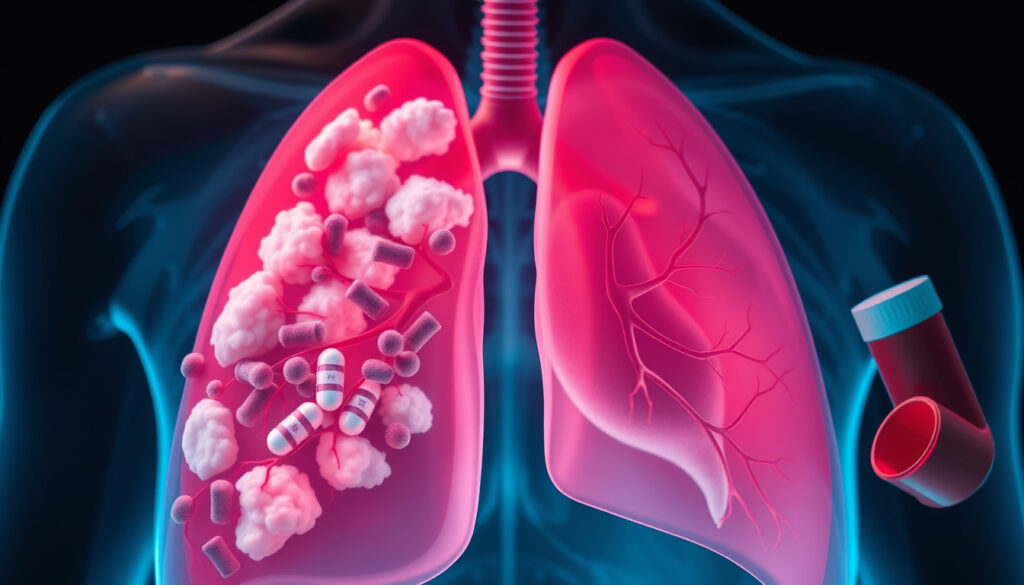
Pneumonia is an infection that causes inflammation and fluid buildup in the lungs’ air sacs, medically known as alveoli. This condition most commonly results from bacteria, viruses, or fungi entering the respiratory system, leading to symptoms ranging from persistent cough and fever to breathing difficulty and chest pain. The infection can affect one or both lungs, with severity varying from manageable at home to requiring immediate hospitalization in serious cases.
Young children, adults over 65 to 70 years of age, and individuals with compromised immune systems or chronic health conditions face the highest risk of developing complications. According to health authorities, pneumonia remains a significant global health concern, affecting millions of people annually across all age groups. Understanding the nature of this infection, its causes, symptoms, and available treatments forms the foundation for effective management and prevention strategies.
This condition ranges considerably in its impact depending on the causative organism, the patient’s overall health status, and how quickly treatment begins. While some cases resolve within a few weeks with appropriate care, others can lead to prolonged recovery periods or serious complications affecting long-term respiratory function. Medical professionals emphasize the importance of early recognition and appropriate medical intervention to achieve the best possible outcomes.
What Causes Pneumonia?
Lung infection causing inflammation and fluid accumulation in the air sacs
Bacteria, viruses, and fungi that enter the respiratory system
Cough, fever, chills, shortness of breath, and chest pain
Antibiotics for bacterial causes, supportive care, and rest
Key Insights on Pneumonia
- Incidence: Pneumonia affects approximately 24 per 1,000 adults annually in developed countries
- Mortality: Between 5-10% of hospitalized cases result in death, highlighting the serious nature of this condition
- Children’s burden: The CDC reports that pneumonia kills more children under five than any other infectious disease worldwide
- Common pathogen: Streptococcus pneumoniae accounts for the majority of bacterial pneumonia cases requiring medical intervention
- Elderly vulnerability: Adults over 65 face significantly higher risk of severe complications and hospitalization
- Hospitalizations: Hundreds of thousands of hospitalizations occur each year in the United States alone due to pneumonia-related complications
- Economic impact: Healthcare costs associated with pneumonia treatment run into billions of dollars annually across developed nations
Snapshot Facts
| Fact | Details |
|---|---|
| Incidence Rate | 24 per 1,000 adults annually |
| Hospital Mortality | 5-10% of hospitalized cases |
| Contagious Period | Depends on cause (viral and bacterial yes; fungal and aspiration no) |
| Typical Duration | 1-3 weeks for most cases |
| Most Common Type | Bacterial (Streptococcus pneumoniae) |
| Highest Risk Age | Children under 5 and adults over 65 |
Approximately 60% of pneumonia hospitalizations occur in adults over 65, underscoring age as a critical determinant of disease severity and outcome. Source: CDC
What Are the Symptoms of Pneumonia?
Symptoms of pneumonia typically emerge within one to three days after infection takes hold in the lungs. The presentation can vary significantly depending on the causative organism, the patient’s age, and their underlying health status. Healthcare providers emphasize that recognizing these signs early can lead to faster diagnosis and more effective treatment outcomes.
Common Symptoms Across All Types
The hallmark symptoms include a persistent cough that may produce phlegm, high fever often accompanied by chills, and general fatigue that makes daily activities difficult. Shortness of breath and chest pain that worsens with breathing or coughing are also typical manifestations of the infection affecting the lung tissue.
Symptoms in Children
Children may display different warning signs than adults, including rapid breathing, retractions around the ribs during inhalation, decreased activity level, and difficulty feeding in infants. Some children may experience vomiting or diarrhea alongside respiratory symptoms. The Mayo Clinic notes that young children, particularly those under five years old, face higher risk of severe disease progression.
Symptoms in Adults and the Elderly
Adults and elderly patients often experience the classic symptoms but may also present with confusion, particularly in older adults over 70 years of age. According to Cleveland Clinic, elderly patients may show fewer respiratory symptoms while displaying more pronounced changes in mental status and energy levels. This atypical presentation can sometimes delay diagnosis in this vulnerable population.
How Is Pneumonia Diagnosed?
Healthcare providers typically begin the diagnostic process with a thorough physical examination, listening to the lungs through a stethoscope for characteristic sounds like crackles or rales that indicate fluid in the air sacs. Chest X-rays form the cornerstone of diagnosis, allowing physicians to visualize consolidation or infiltrates that confirm pneumonia and assess its extent. Additional tests may include blood work to evaluate white blood cell counts and identify the causative organism, sputum cultures to determine specific pathogens, and pulse oximetry to measure blood oxygen levels. In more complex cases, CT scans or bronchoscopy may be necessary to obtain deeper tissue samples or evaluate complications.
Persistent fever above 102°F, difficulty breathing, chest pain that worsens, confusion, or worsening symptoms after initial improvement warrant immediate medical evaluation. Early intervention significantly improves outcomes, particularly for those in high-risk categories.
How Is Pneumonia Treated?
Treatment approaches depend directly on identifying the specific cause of pneumonia, as this determines which medications will be effective. Bacterial pneumonia requires antibiotic therapy, while viral cases respond to supportive measures rather than antimicrobial drugs. The National Heart, Lung, and Blood Institute emphasizes that appropriate treatment selection can significantly reduce the duration and severity of illness.
Antibiotic Treatment for Bacterial Pneumonia
Healthcare providers prescribe antibiotics for bacterial pneumonia, with the specific medication and duration depending on the identified pathogen and the patient’s health status. Most antibiotic courses last between 5 to 14 days, with many patients noticing improvement within 2 to 3 days of starting treatment. Completing the entire prescribed course remains essential, even when symptoms improve earlier, to prevent antibiotic resistance and disease relapse.
Viral Pneumonia Management
Viral pneumonia typically requires supportive care rather than antibiotics, including adequate rest, increased fluid intake, and medications to reduce fever and manage discomfort. Most viral cases resolve within 1 to 3 weeks with appropriate supportive measures. In some cases, antiviral medications may be prescribed if the underlying virus is identifiable and such treatment is available.
Hospital Care for Severe Cases
Severe pneumonia often necessitates hospital admission, where patients can receive intravenous antibiotics, supplemental oxygen therapy, and close monitoring of vital signs. Hospital settings provide access to respiratory therapists who can perform chest physiotherapy and assist with clearing lung secretions. Recovery in these cases requires careful attention to nutrition, hydration, and gradual return to normal activities.
How Long Does Pneumonia Last?
The duration of pneumonia varies considerably based on the causative organism, the patient’s age, and their overall health. In otherwise healthy adults with bacterial pneumonia, symptoms often begin improving within 24 to 48 hours of starting antibiotics. Full recovery typically takes several weeks, with lingering cough and fatigue potentially persisting for a month or longer. Viral pneumonia may resolve more gradually, spanning anywhere from several days to three weeks depending on the specific virus involved.
Age, the specific cause of pneumonia, and the presence of underlying health conditions all influence recovery timelines. Patients with pneumococcal pneumonia often experience longer disruption to their daily activities compared to those with milder viral forms. Following medical advice and attending follow-up appointments helps ensure complete recovery and reduces the risk of complications.
Is Pneumonia Contagious?
Whether pneumonia spreads from person to person depends entirely on the underlying cause of the infection. Understanding which types pose transmission risks helps individuals take appropriate precautions to protect themselves and others, particularly when caring for infected family members or working in close-proximity environments.
Contagious Types
Bacterial and viral pneumonia can spread between people through respiratory droplets released during coughing, sneezing, or even talking. Close contact in households, schools, and healthcare settings facilitates transmission. The Centers for Disease Control and Prevention notes that practicing good hand hygiene, covering coughs, and maintaining distance from infected individuals during the contagious period can significantly reduce spread.
Non-Contagious Types
Fungal pneumonia and aspiration pneumonia do not spread from person to person. Fungal pneumonia results from inhaling spores present in the environment, typically affecting individuals with weakened immune systems. Aspiration pneumonia occurs when foreign materials like food, saliva, or vomit are inhaled into the lungs, usually in situations where normal swallowing or cough reflexes are impaired.
Preventing Transmission
Prevention strategies include receiving recommended vaccines, practicing frequent handwashing with soap and water, avoiding close contact with people showing respiratory symptoms, and disinfecting commonly touched surfaces. For those already infected, staying home until fever-free for at least 24 hours and avoiding crowded settings helps protect vulnerable individuals in the community.
Individuals with bacterial or viral pneumonia remain contagious for several days to weeks after symptoms appear, depending on the specific pathogen. This period can extend even after clinical improvement begins, making continued precautions important for household contacts and caregivers. For those seeking more information on this condition, you can find details on Nerv i kläm skulderbladet behandling.
What Are the Types of Pneumonia?
Medical professionals classify pneumonia according to two main systems: the causative organism and the setting in which the infection was acquired. Understanding these distinctions helps guide treatment decisions and provides insight into disease prognosis. The Mayo Clinic provides detailed classifications that healthcare providers use to inform clinical management.
By Causative Organism
Bacterial pneumonia represents the most common and potentially severe form, frequently caused by Streptococcus pneumoniae. This type typically requires prompt antibiotic treatment and may necessitate hospitalization depending on severity. Viral pneumonia generally presents with milder symptoms, resembling severe influenza, and includes pathogens such as influenza viruses, respiratory syncytial virus (RSV), and coronaviruses. Most viral cases resolve with supportive care alone. Fungal pneumonia occurs less frequently and primarily affects people with compromised immune systems, requiring extended treatment with antifungal medications lasting several months.
By Acquisition Setting
Community-acquired pneumonia develops in everyday settings outside healthcare facilities and represents the most common form encountered by primary care physicians. Hospital-acquired pneumonia occurs in patients hospitalized for other conditions and often involves more resistant bacteria, making treatment more challenging. Healthcare-associated pneumonia applies to infections acquired in nursing homes or outpatient clinics. Additionally, aspiration pneumonia results from inhaling food, beverages, or gastric contents into the lungs, typically occurring when normal swallowing or cough reflexes are compromised.
Walking Pneumonia
Walking pneumonia, medically termed atypical pneumonia, describes a milder form of bacterial infection, frequently caused by Mycoplasma pneumoniae. Despite its name suggesting minimal impact, this condition can still cause uncomfortable symptoms and requires medical evaluation. The distinguishing characteristic involves the ability to continue daily activities despite feeling unwell, which can inadvertently contribute to community spread due to the mobile infected population.
Pneumonia vs Bronchitis vs Flu
| Condition | Primary Location | Key Distinguishing Features |
|---|---|---|
| Pneumonia | Lung air sacs (alveoli) | Fluid accumulation, more severe fever, breathing difficulty |
| Bronchitis | Airway tubes (bronchi) | Persistent cough, less fever, minimal breathing difficulty |
| Flu | Upper respiratory/systemic | Body aches, headache, fatigue; pneumonia can develop as complication |
While bronchitis affects the airway tubes leading to the lungs, pneumonia involves actual infection within the lung tissue itself. This fundamental difference explains why pneumonia typically presents with more severe systemic symptoms and greater risk of complications compared to bronchitis.
Pneumonia Progression Timeline
Understanding the typical timeline of pneumonia helps patients recognize what to expect during recovery and identify warning signs that warrant additional medical attention. While individual experiences vary based on causative organism and host factors, certain patterns emerge consistently across most cases.
- Days 1-3: Initial onset characterized by fever, chills, cough, and general malaise as the infection establishes itself in the lung tissue
- Days 4-7: Peak symptom intensity, with fever often highest during this phase and breathing difficulty potentially worsening
- Week 2: Beginning of clinical improvement for most patients on appropriate treatment, with fever resolving and energy gradually returning
- Weeks 3-4: Continued recovery with gradual resolution of cough and fatigue, though some symptoms may persist
- Potential complications: For untreated or severe cases, pleural effusion, abscess formation, or respiratory failure may develop at any stage
- Full recovery: Complete return to baseline typically requires 4-6 weeks, with some elderly patients needing several months to regain full pulmonary function
Patients should note that feeling better before completing prescribed medication does not mean the infection has been fully eradicated. Prematurely stopping antibiotics can lead to relapse and potentially create antibiotic-resistant organisms, making future infections more difficult to treat.
Pneumonia Facts vs Myths
Separating evidence-based facts from common misconceptions about pneumonia helps individuals make informed decisions about prevention and treatment. Several persistent myths can lead to delayed care-seeking or inappropriate self-management that increases the risk of complications.
| Established Facts | Common Misconceptions |
|---|---|
| Bacterial pneumonia responds to antibiotic treatment when properly prescribed and completed | Myth: Pneumonia always requires antibiotics. Viral pneumonia does not benefit from antibiotic therapy |
| Vaccines significantly reduce the risk of certain pneumonia types, particularly pneumococcal disease | Myth: Vaccines eliminate all pneumonia risk. Vaccines target specific pathogens and do not provide universal protection |
| Severity varies considerably based on age, underlying health conditions, and causative organism | Myth: Only elderly people get serious pneumonia. Healthy young adults can develop severe disease requiring hospitalization |
| Complete recovery from bacterial pneumonia typically requires several weeks even with appropriate treatment | Myth: Feeling better means the infection is gone. Chest X-ray abnormalities can persist for weeks after clinical improvement |
| Proper hygiene practices reduce but do not eliminate transmission risk | Myth: Pneumonia is highly contagious like the common cold. Not all types are transmissible, and risk varies by cause |
| Hospitalization may be necessary for severe cases, particularly in elderly or immunocompromised patients | Myth: Pneumonia always requires hospitalization. Most cases in healthy adults can be managed at home with oral medications |
Pneumonia in Context
Pneumonia represents one of the oldest recognized infectious diseases, with descriptions appearing in ancient medical texts from civilizations across the globe. The condition continues to pose significant public health challenges in the modern era, despite advances in diagnostic capabilities and treatment options. Understanding pneumonia within its broader epidemiological context helps illuminate why this lung infection remains a leading cause of illness and death worldwide.
The disease disproportionately affects populations in lower-income countries where access to healthcare, vaccines, and appropriate antibiotic treatment remains limited. Children under five years old and elderly adults over 65 face the highest burden in these settings. Even in developed nations with robust healthcare infrastructure, pneumonia consistently ranks among the top reasons for hospitalization and contributes substantially to healthcare costs and lost productivity.
Recent decades have seen evolving patterns in pneumonia epidemiology, partly influenced by aging populations, increasing prevalence of chronic diseases like diabetes and asthma, and the emergence of antibiotic-resistant organisms. The COVID-19 pandemic further highlighted the connection between viral respiratory infections and subsequent bacterial pneumonia, underscoring the complex interplay between different respiratory pathogens.
What Experts Say About Pneumonia
“Pneumonia kills more children under the age of five than any other infectious disease worldwide. This is a solvable problem through vaccination, adequate nutrition, and access to appropriate medical care.”
— Centers for Disease Control and Prevention
“Vaccination remains the most effective strategy for preventing pneumococcal pneumonia and its complications. Adults over 65 and individuals with certain chronic conditions should receive recommended pneumococcal vaccines according to current guidelines.”
— Mayo Clinic Medical Professionals
Healthcare organizations worldwide continue to emphasize the importance of early recognition, appropriate treatment, and preventive measures in reducing pneumonia-related morbidity and mortality. For more information on finding appropriate medical care, residents in certain areas may consult resources like Cooks Hill Family Practice – Location Services and Booking Guide for primary care options.
Understanding Pneumonia
Pneumonia remains a significant health challenge that affects millions of people annually across all age groups and geographic regions. While the condition can range from mild to life-threatening, advances in medical knowledge, diagnostic capabilities, and treatment options have improved outcomes considerably over the past century. Understanding the causes, recognizing symptoms early, seeking appropriate medical care, and following preventive recommendations form the cornerstone of effective pneumonia management at both individual and community levels. Those interested in related topics may explore other areas such as addiction medicine research, including figures like Dr. Herbert Kleber – Addiction Treatment Pioneer, to understand how medical professionals across various specialties contribute to public health.
Frequently Asked Questions
Pneumonia vs bronchitis: what’s the difference?
Pneumonia involves infection in the lung air sacs causing fluid accumulation, while bronchitis affects the airway tubes and typically presents with milder symptoms, less fever, and minimal breathing difficulty. Pneumonia generally requires more intensive treatment and carries higher complication risk.
What’s the difference between pneumonia and the flu?
The flu is a viral respiratory infection that can affect the entire body, while pneumonia is a lung infection that may develop as a flu complication. Flu vaccines help prevent both the influenza infection itself and reduce the risk of subsequent pneumonia development.
What causes pneumonia in children?
Children commonly develop pneumonia from the same pathogens affecting adults, including Streptococcus pneumoniae, viruses like RSV and influenza, and in some regions, Mycoplasma pneumoniae. Children under five and those with incomplete vaccination status face higher risk of severe disease.
How long does bacterial pneumonia last?
With appropriate antibiotic treatment, symptoms typically begin improving within 24-48 hours, though full recovery generally requires 3-4 weeks. Some cough and fatigue may persist for several more weeks before complete resolution occurs.
Is pneumonia contagious from person to person?
Bacterial and viral pneumonia can spread between people through respiratory droplets, making them potentially contagious. Fungal pneumonia and aspiration pneumonia cannot be transmitted from person to person as they result from environmental exposure or inhaled substances rather than infection spread.
Who should get pneumonia vaccines?
Adults over 65, children under five, and individuals with chronic conditions such as asthma, diabetes, heart disease, or compromised immune systems should receive pneumococcal vaccines. Healthcare providers can recommend specific vaccines based on individual health status and risk factors.
What is walking pneumonia?
Walking pneumonia describes a milder form of atypical bacterial pneumonia, often caused by Mycoplasma pneumoniae. Despite causing uncomfortable symptoms, affected individuals can typically continue daily activities, which unfortunately may contribute to community spread.
Can pneumonia be prevented?
Vaccination against pneumococcal bacteria, influenza, COVID-19, and other respiratory pathogens reduces pneumonia risk. Additional preventive measures include practicing good hand hygiene, avoiding smoking, managing chronic health conditions effectively, and maintaining overall physical fitness.
More related posts
 Bron Breakker: Biography, Football, WWE & Why Not Steiner
 Abel Tasman: Explorer, National Park, Hiking Guide
 Public Holidays WA 2025: 11 Dates, List & Comparisons
 Carlton vs Sydney: Scores, Stats, Results & History
 Laila Hasanovic: Biography, Sinner’s Girlfriend, nrd.55 Founder
 Spider-Man Movies Guide: Watch Order & 2026 Release
 Osher Günsberg: Real Name, OCD, Family & Career
 Twisted Metal Season 2: Release Date, Cast, and Season 3 Renewal
