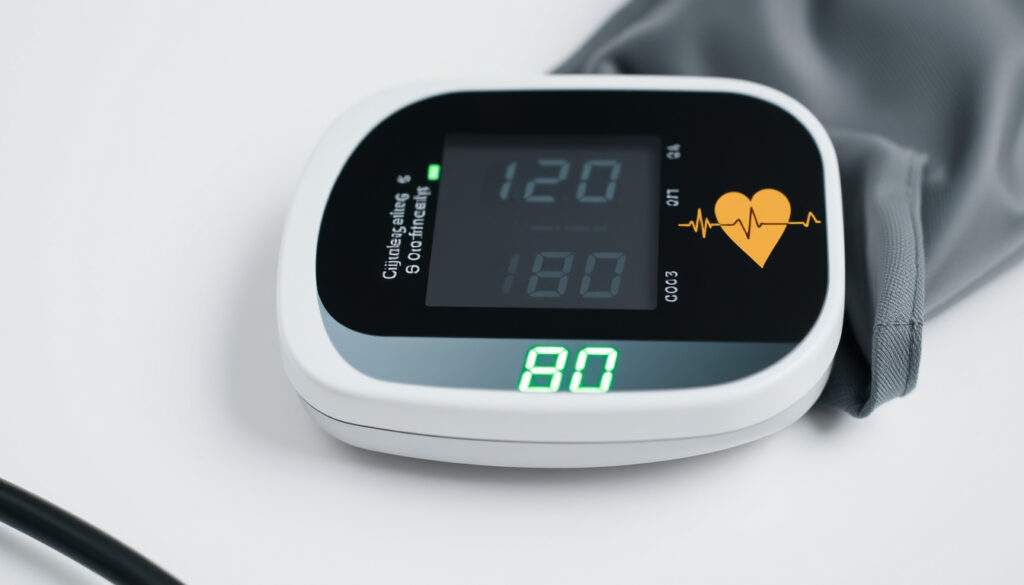
Diastolic Blood Pressure – What the Bottom Number Means
Diastolic Blood Pressure Explained: What the Bottom Number Means
Diastolic blood pressure represents the pressure in your arteries when your heart rests between beats. It appears as the bottom number in a blood pressure reading and serves as a critical indicator of cardiovascular health alongside systolic pressure.
Blood pressure measurements consist of two numbers expressed in millimeters of mercury (mm Hg). The top number, systolic pressure, measures the force when the heart pumps blood. The bottom number, diastolic pressure, measures the force when the heart relaxes and fills with blood. Both values matter significantly for assessing hypertension risk, though research increasingly emphasizes systolic readings as the primary predictor of cardiovascular events in older adults.
Understanding diastolic blood pressure helps individuals interpret their health metrics accurately and recognize when intervention may be necessary. Medical guidelines from organizations including the American Heart Association and Mayo Clinic provide standardized thresholds that guide clinical decision-making.
What Is Diastolic Blood Pressure?
Diastolic blood pressure reflects the minimum pressure in your arteries during the cardiac cycle. When the heart muscle relaxes after contracting, blood flows into the chambers and the arteries experience this lower pressure reading. Healthcare providers consider this measurement essential for evaluating how well arteries handle blood flow during the resting phase of each heartbeat.
How Diastolic Differs from Systolic Pressure
The two components of blood pressure measurements represent distinct physiological processes. Systolic pressure captures cardiac output—the force generated when the left ventricle contracts and pushes blood into circulation. Diastolic pressure, by contrast, primarily reflects peripheral vascular resistance—the resistance arteries present against blood flow when the heart is at rest.
According to the American Heart Association, hypertension can be diagnosed when either systolic reaches 130–139 mm Hg or diastolic reaches 80–89 mm Hg. This means elevated diastolic readings alone can warrant intervention, even when systolic remains within normal range—a condition known as isolated diastolic hypertension.
Which Measurement Matters More?
Both measurements contribute valuable information about cardiovascular status, but research suggests different priorities across age groups. For adults under 50, diastolic pressure may serve as a stronger predictor of cardiovascular risk. After age 50, systolic pressure typically becomes the dominant indicator of hypertensive complications, according to findings published in peer-reviewed medical literature.
The American Heart Association notes that isolated DBP elevation appears less frequently in elderly populations compared to younger adults. However, when present in younger individuals, elevated diastolic readings carry comparable cardiovascular risks to systolic elevation.
Pressure in arteries during heart relaxation between beats, measured in mm Hg. The bottom number in a blood pressure reading.
Below 80 mm Hg for adults according to AHA and Mayo Clinic. Below 90 mm Hg per older clinical standards.
Stage 1: 80–89 mm Hg; Stage 2: ≥90 mm Hg. Associated with increased risk of heart disease, stroke, and kidney damage.
Lifestyle modifications first: diet, exercise, weight management. Medications if readings persist at 130/80 or higher.
- Diastolic pressure measures arterial resistance during the heart’s resting phase
- Normal adult DBP falls below 80 mm Hg per major medical organizations
- Isolated diastolic hypertension occurs when only the bottom number elevates
- Younger adults with elevated DBP face cardiovascular risks similar to those with high systolic readings
- DBP rises modestly with age until the sixth decade, then may decrease slightly
- Both systolic and diastolic readings determine hypertension staging
- Consistent home monitoring provides valuable data for clinical assessment
| Blood Pressure Category | Systolic (mm Hg) | Diastolic (mm Hg) |
|---|---|---|
| Normal | Below 120 | Below 80 |
| Elevated | 120–129 | Below 80 |
| Stage 1 Hypertension | 130–139 | 80–89 |
| Stage 2 Hypertension | 140 or higher | 90 or higher |
| Hypertensive Crisis | Above 180 | Above 120 |
What Is a Normal Diastolic Blood Pressure Reading?
For most adults, a normal diastolic reading falls below 80 mm Hg according to guidelines from the American Heart Association and Mayo Clinic. Readings between 80 and 89 mm Hg indicate Stage 1 hypertension requiring lifestyle attention, while readings of 90 mm Hg or higher signal Stage 2 hypertension that typically warrants pharmacological intervention alongside lifestyle changes.
Ranges vary according to age and, to a lesser extent, gender. These variations reflect developmental differences in cardiovascular function across the lifespan, making age-specific reference ranges more clinically useful than a single adult standard.
Pediatric Diastolic Ranges
Blood pressure in children follows different patterns than adult measurements. Medical providers typically use percentile-based charts that account for age, gender, and height rather than fixed thresholds. Baylor College of Medicine recommends evaluating children’s readings against percentile standards, with normal defined as below the 90th percentile for age and height.
Newborns typically show diastolic ranges between 20 and 60 mm Hg, with values increasing steadily through infancy. Infants between one and twelve months generally maintain diastolic readings in the 35 to 66 mm Hg range. Toddlers between one and three years often show readings from approximately 53 to 66 mm Hg, though some sources cite ranges extending to 80 mm Hg.
Preschool children aged three to five typically show diastolic values between 56 and 80 mm Hg. School-age children from six to eleven years generally maintain readings from 57 to 71 mm Hg, with some variation between sources. Adolescents between twelve and nineteen years often show readings from 50 to 80 mm Hg, depending on the reference chart applied.
Adult Ranges by Age and Gender
Adult diastolic readings demonstrate consistent patterns across gender and age groups. Men aged 18 to 39 years average approximately 70 mm Hg, while women in the same age group average 68 mm Hg—a modest difference that largely disappears after menopause.
Adults between 40 and 59 years show slightly higher readings, with men averaging 74 to 77 mm Hg and women averaging approximately 74 mm Hg. Adults aged 60 and older may demonstrate slightly lower average diastolic readings, with men averaging 68 to 69 mm Hg and women averaging around 68 mm Hg.
The Mayo Clinic aligns with AHA standards, defining normal diastolic as below 80 mm Hg and elevated risk beginning at 80 to 89 mm Hg. This consistency across major medical organizations provides a reliable framework for clinical interpretation.
While general guidelines provide useful benchmarks, individual variation exists based on overall health status, medications, and underlying conditions. The Centers for Disease Control and Prevention recommends consulting healthcare providers to establish personalized target ranges appropriate for individual circumstances.
What Causes High Diastolic Blood Pressure?
Elevated diastolic readings develop through mechanisms that increase peripheral vascular resistance or affect arterial wall properties. Understanding these contributing factors helps guide appropriate interventions and preventive strategies.
Primary Contributing Factors
Arterial stiffness represents a primary driver of increased diastolic pressure. When arteries lose elasticity—a natural part of aging—they resist blood flow more forcefully during cardiac relaxation. This reduced compliance produces higher diastolic readings even when cardiac output remains normal.
Obesity strongly correlates with elevated diastolic pressure through multiple pathways. Excess body weight increases cardiac output demands while simultaneously promoting arterial stiffening and insulin resistance that affects blood vessel tone. Weight management frequently produces meaningful reductions in both systolic and diastolic readings.
Dietary sodium intake directly influences blood pressure regulation. High salt consumption promotes water retention and increases blood volume, elevating pressure throughout the cardiovascular system. The Centers for Disease Control and Prevention notes that sodium reduction significantly impacts blood pressure control at the population level.
Chronic stress contributes to elevated readings through hormonal activation. Stress hormones including cortisol and adrenaline affect heart rate, arterial tone, and fluid balance in ways that can increase both systolic and diastolic pressure over time.
Symptoms and Warning Signs
High diastolic blood pressure frequently produces no noticeable symptoms, earning the nickname “silent hypertension.” When symptoms do appear, they often indicate more advanced or severe elevation. Headaches, particularly those occurring in the morning, may signal significantly elevated readings. Fatigue and general malaise sometimes accompany sustained hypertension.
Visual changes, including blurred vision, can occur when elevated pressure affects blood vessels in the eyes. In severe cases, shortness of breath or chest discomfort may develop. These symptoms warrant prompt medical evaluation regardless of whether they involve diastolic or systolic elevation.
Health Risks Associated with Elevated DBP
Long-term elevated diastolic pressure strains arteries and organs throughout the body. Research published in peer-reviewed medical literature links sustained high DBP to increased cardiovascular events including heart attacks and strokes. Kidney function may decline as elevated pressure damages delicate renal blood vessels.
Isolated diastolic hypertension—when only the bottom number reads high—carries genuine cardiovascular risk, particularly for younger adults. A study published through PMC noted that isolated DBP elevation correlates with similar cardiovascular risks as combined systolic and diastolic elevation, challenging older assumptions that isolated DBP elevation posed minimal concern.
Diastolic readings above 120 mm Hg indicate hypertensive crisis requiring immediate medical attention. However, readings consistently above 90 mm Hg also warrant clinical intervention. Adults with DBP between 80 and 89 mm Hg should implement lifestyle modifications and monitor closely for progression.
What Does Low Diastolic Blood Pressure Mean?
Low diastolic blood pressure typically registers below 60 mm Hg in adult populations. While high blood pressure dominates public health attention, abnormally low readings can also indicate underlying issues requiring evaluation. Hypotension—the medical term for low blood pressure—may cause symptoms affecting daily function and quality of life.
Causes of Low Diastolic Pressure
Dehydration represents one of the most common causes of low blood pressure readings. When fluid volume decreases, pressure throughout the cardiovascular system drops. Medications, particularly diuretics and certain antihypertensive drugs, can produce excessive diastolic lowering especially when dosages require adjustment.
Heart conditions affecting the aortic valve, such as aortic regurgitation, may allow blood to flow backward during cardiac contraction, reducing effective arterial pressure during diastole. Endocrine disorders including adrenal insufficiency and thyroid problems can also influence blood pressure regulation.
Prolonged bed rest and nutritional deficiencies occasionally contribute to low readings. Some individuals naturally maintain lower blood pressure without underlying pathology—a condition called constitutional hypotension that generally requires no treatment when asymptomatic.
Risks and Symptoms
Symptoms of low diastolic pressure include dizziness, lightheadedness, and fainting, particularly when standing quickly. Fatigue, blurred vision, and difficulty concentrating may accompany sustained low readings. These symptoms result from inadequate perfusion of tissues and organs during the cardiac resting phase.
Severe low diastolic pressure can compromise blood flow to vital organs. The Cleveland Clinic notes that extremely low readings may indicate serious conditions requiring emergency evaluation. Poor perfusion can damage kidneys, brain tissue, and heart muscle if sustained.
Pediatric low diastolic thresholds differ from adult values. Newborns with DBP below 30 mm Hg, infants below 35 mm Hg, and young children below 55 mm Hg may require clinical assessment to rule out congenital conditions or other pathology.
How Can You Lower Diastolic Blood Pressure?
Lifestyle modifications represent the foundation of blood pressure management for most individuals with elevated readings. Medical guidelines from the American Heart Association and Mayo Clinic consistently emphasize dietary changes, physical activity, and weight management as initial interventions before considering pharmacological treatment.
Dietary Approaches
The DASH (Dietary Approaches to Stop Hypertension) eating plan demonstrates significant blood pressure lowering effects. This dietary pattern emphasizes fruits, vegetables, whole grains, and lean proteins while limiting saturated fats, processed foods, and added sugars. Sodium restriction to below 2,300 milligrams daily provides additional benefit for most individuals.
Potassium-rich foods including bananas, spinach, sweet potatoes, and avocados support healthy blood pressure levels. Research indicates that increasing dietary potassium may help offset sodium’s effects on blood pressure regulation. The National Heart, Lung, and Blood Institute provides detailed DASH diet resources for individuals seeking structured nutritional guidance.
Physical Activity and Weight Management
Regular aerobic exercise consistently demonstrates blood pressure lowering effects. Current guidelines recommend at least 150 minutes of moderate-intensity activity weekly—such as brisk walking, swimming, or cycling—to support cardiovascular health. Both diastolic and systolic readings typically decrease following regular exercise programs.
Weight loss produces measurable reductions in blood pressure. Research indicates that losing even modest amounts of excess weight—approximately 5 to 10 percent of body weight—can lower diastolic readings by 5 to 10 mm Hg in overweight individuals. Combining weight management with dietary changes amplifies the effect.
Additional Lifestyle Modifications
Alcohol consumption affects blood pressure in a dose-dependent manner. Limiting alcohol to moderate amounts—up to one drink daily for women and two for men—helps maintain healthy readings. Complete smoking cessation benefits cardiovascular health broadly, though nicotine’s immediate effects may temporarily elevate blood pressure.
Stress reduction techniques including meditation, deep breathing exercises, yoga, and progressive muscle relaxation offer additional support for blood pressure management. Chronic stress contributes to sustained elevation, and managing stress responses provides meaningful benefit alongside other interventions.
Combining multiple lifestyle modifications—dietary changes, regular exercise, stress management, and weight loss—may reduce diastolic readings by 5 to 10 mm Hg according to available evidence. These approaches work synergistically, producing greater effects than any single intervention alone.
Understanding Blood Pressure Progression
Blood pressure elevation typically develops gradually over years rather than appearing suddenly. Understanding the progression from normal readings through elevated risk to established hypertension helps individuals recognize where their measurements fall and what interventions may be appropriate.
- Normal blood pressure—Both systolic below 120 and diastolic below 80 mm Hg. Maintain healthy lifestyle habits to preserve these values.
- Elevated blood pressure—Systolic between 120 and 129 with diastolic still below 80. Lifestyle intervention becomes important to prevent progression.
- Stage 1 hypertension—Systolic 130–139 or diastolic 80–89 mm Hg. Lifestyle changes emphasized; medications considered based on cardiovascular risk.
- Stage 2 hypertension—Systolic 140 or higher or diastolic 90 or higher mm Hg. Lifestyle modifications combined with medication therapy typically recommended.
- Hypertensive crisis—Systolic above 180 or diastolic above 120 mm Hg. Requires immediate medical evaluation and possible emergency intervention.
What We Know with Certainty versus What Remains Unclear
| Aspect | Established Information | Remaining Uncertainties |
|---|---|---|
| Normal adult DBP threshold | Below 80 mm Hg per major medical organizations | Individual variation in optimal ranges based on overall health status |
| Hypertension diagnosis criteria | Either systolic ≥130 or DBP ≥80 qualifies per 2017 AHA guidelines | Long-term outcomes of treating isolated DBP elevation versus combined elevation |
| Age-related patterns | DBP rises through middle age, then may stabilize or decrease slightly | Precise mechanisms underlying age-related DBP changes in different populations |
| Gender differences | Men average slightly higher DBP than women pre-menopause | Extent of hormonal influences on gender-based BP differences |
| Lifestyle intervention efficacy | DASH diet, exercise, and weight loss reliably lower BP 5–10 mm Hg | Optimal combinations and durations for different individuals |
| Pediatric ranges | Percentile-based charts standard for children; ranges increase with age | Long-term implications of elevated childhood DBP into adulthood |
The Clinical Significance of Diastolic Pressure
Diastolic blood pressure provides essential information about cardiovascular function beyond what systolic readings alone reveal. The pressure present in arteries during cardiac relaxation reflects peripheral vascular resistance, arterial compliance, and the overall health of the circulatory system during its resting phase.
Research consistently demonstrates that both elevated systolic and diastolic pressures increase cardiovascular risk. However, the relative importance of diastolic readings varies across populations. For younger adults, elevated DBP may serve as an earlier warning sign of developing hypertension. For older adults, systolic elevation typically dominates cardiovascular risk assessment.
The interplay between systolic and diastolic values also matters clinically. Pulse pressure—the difference between the two numbers—provides additional information about arterial stiffness. Widened pulse pressure often indicates reduced arterial elasticity and increased cardiovascular event risk.
Guideline Sources and Clinical Standards
Blood pressure management draws from robust clinical evidence and guideline development by leading medical organizations. Healthcare providers rely on standardized classification systems to diagnose and stage hypertension, ensuring consistent treatment approaches across clinical settings. These guidelines undergo regular review as new research emerges, particularly regarding optimal treatment targets for different patient populations.
Clinical trials continue to examine the relative benefits of targeting systolic versus diastolic endpoints in hypertension management. While general principles remain stable, ongoing research refines understanding of how aggressively to treat isolated diastolic elevation and what treatment combinations work best for specific patient subgroups.
More related posts
 Margot Kidder: Net Worth, Cause of Death, and Reeve Friendship
 Mark “Chopper” Read: Biography, Quotes, Cause of Death & Net Worth
 Miles Teller: Biography, Net Worth, Car Accident & Irish Ancestry
 Marcelo Montoya Retires from NRL Immediately Due to Injuries
 Melanie Perkins: Net Worth, Age, and Canva’s Success Story
 Josh Groban Engaged 2025: Katy Perry, Health, Songs
 Paolo Banchero: Ethnicity, Weaknesses, Injury & NBA Career
 Linda Cardellini: Ethnicity, Age, Height, Movies & FAQs
